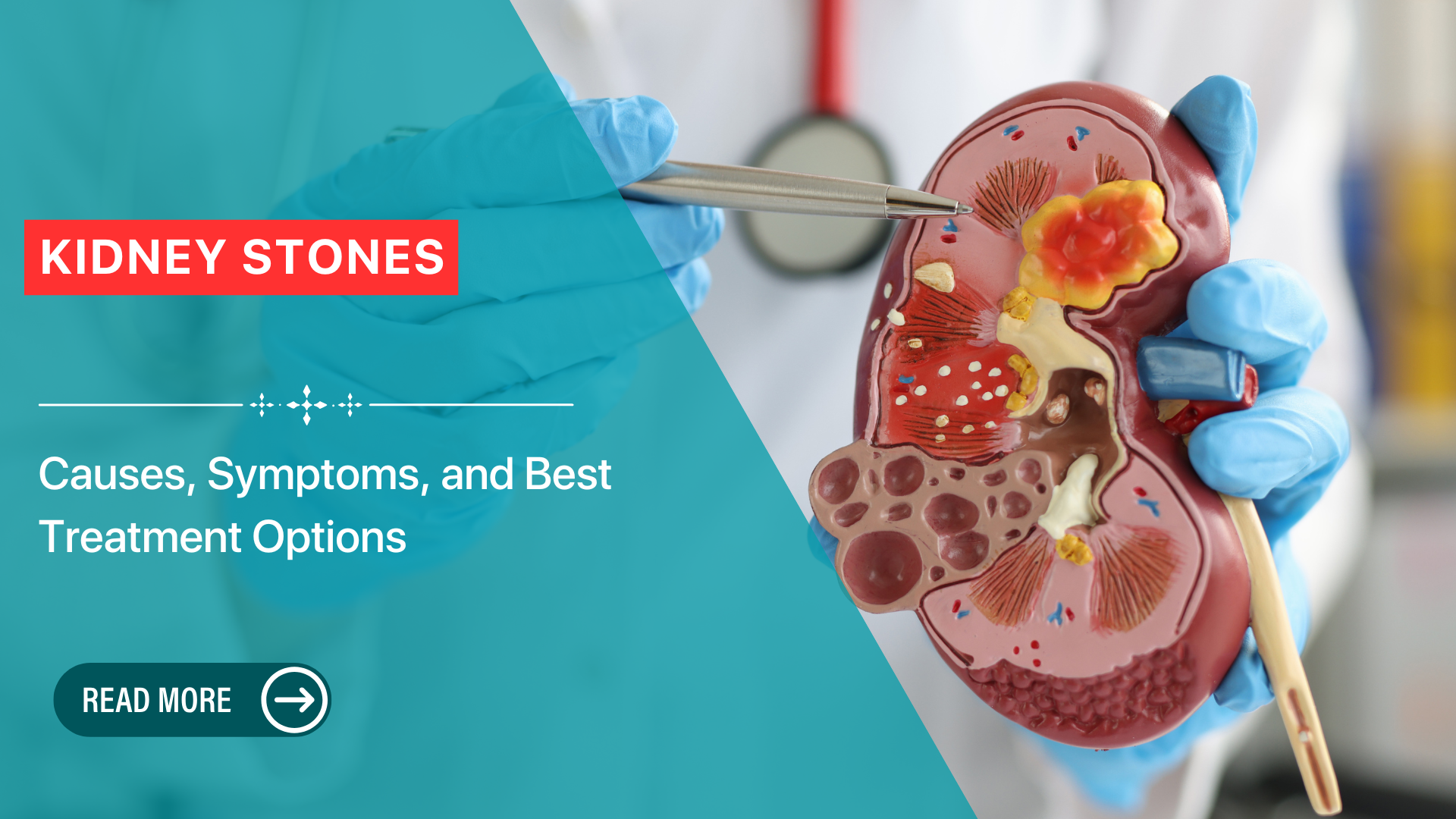
Kidney stones are a common urinary problem that can cause severe pain if not treated on time. Many people ignore early signs, thinking it’s just a stomach issue or infection. But kidney stones can become serious if left untreated.
In this blog, let’s understand what kidney stones are, their causes, symptoms, and the best treatment options in simple words.
What Are Kidney Stones?
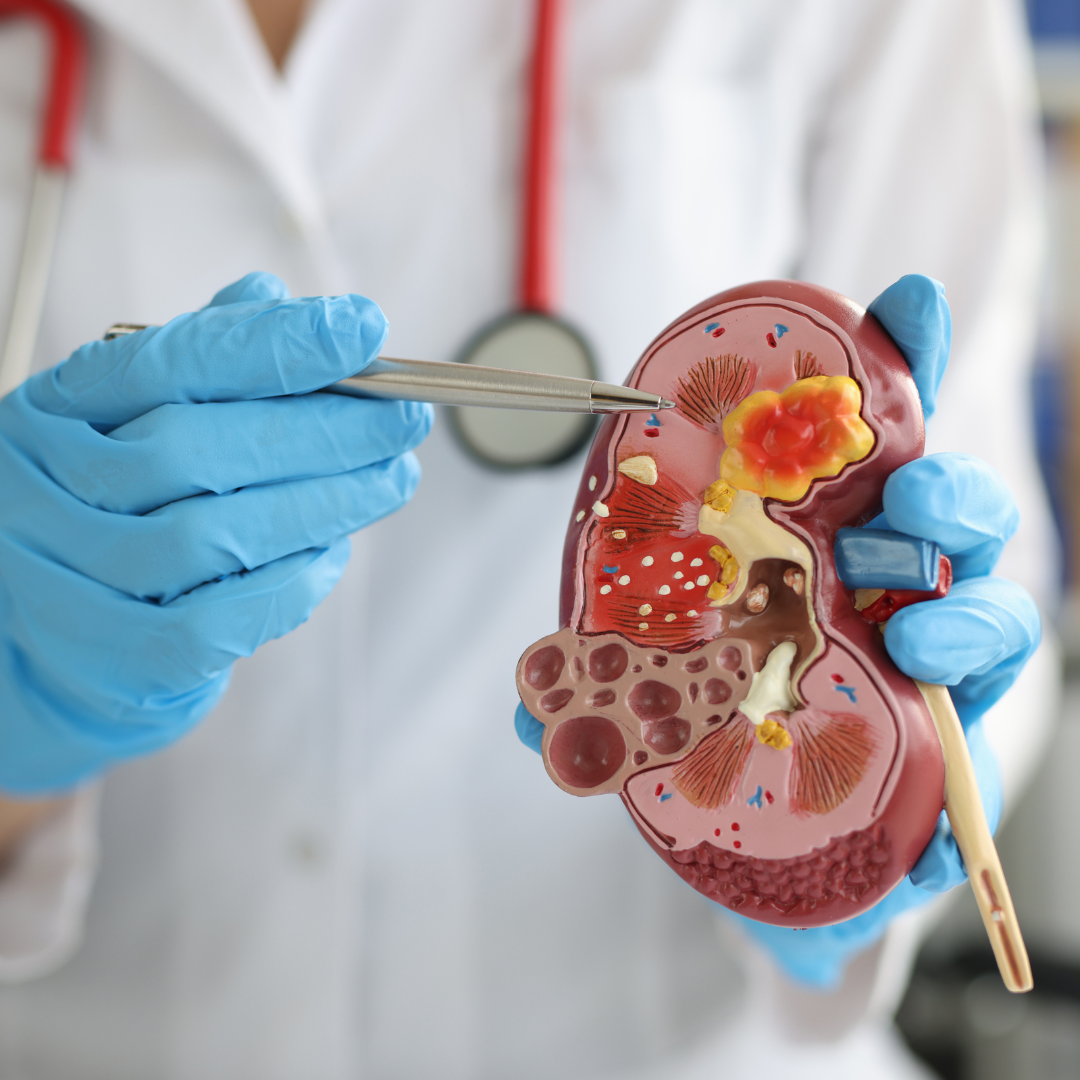
Kidney stones are small, hard stones that form inside the kidneys when minerals and salts in urine stick together. These stones can stay in the kidney or move down the urine pipe, causing pain.
They can be as small as a grain of sand or as big as a pebble.
Common Symptoms of Kidney Stones
Some stones pass without symptoms, but when they cause trouble, you may notice:
1. Severe Back or Side Pain
Sharp pain in the lower back or side that may move to the lower abdomen or groin.
2. Pain While Urinating
Burning or discomfort while passing urine.
3. Blood in Urine
Urine may look pink, red, or brown.
4. Frequent Urge to Urinate
Feeling the need to pee again and again, even if little comes out.
5. Nausea or Vomiting
Pain can make you feel sick.
6. Fever and Chills
This may mean infection and needs urgent care.
What Causes Kidney Stones?
Kidney stones form when urine becomes too concentrated and minerals start forming crystals.
Common causes include:
Drinking less water
Hot climate and excessive sweating
Eating too much salt or junk food
High protein diet
Obesity
Family history
Certain medicines and infections
If you hardly drink water and live on chai and junk food, don’t act surprised.
Who Is at Risk?
You are more likely to get kidney stones if you:
Drink less than 2–3 liters of water daily
Have had stones before
Have a family history
Eat salty or high-protein diet
Are overweight
Have digestive or urinary problems
Once you get stones, chances of recurrence are high without lifestyle changes.
How Are Kidney Stones Diagnosed?
Doctors may suggest:
Urine test
Blood test
Ultrasound or CT scan
X-ray (in some cases)
These help find the size and location of stones.
Best Treatment Options for Kidney Stones
Treatment depends on stone size, location, and symptoms:
1. Drinking Plenty of Fluids
Small stones may pass out naturally with water.
2. Medicines
To reduce pain, infection, and help stones pass.
3. Shock Wave Therapy (ESWL)
Sound waves break stones into smaller pieces.
4. Endoscopic or Laser Surgery
Small camera and laser used to remove stones through urine passage.
5. Percutaneous Surgery
For large stones, through a small cut in the back.
How Can Kidney Stones Be Prevented?
You can reduce your risk by:
Drinking 2–3 liters of water daily
Reducing salt and junk food
Eating fruits and vegetables
Limiting soft drinks
Maintaining healthy weight
Following doctor’s diet advice if you had stones before
Your kidneys love water. Give them what they need.
When Should You See a Doctor?
Consult a urologist if you:
Have severe or repeated pain
See blood in urine
Have fever with pain
Cannot pass urine
Have history of stones
Early treatment prevents kidney damage.
Your Partner in Care: Link Hospital, Gwalior
At Link Hospital, Gwalior, we provide complete care for kidney stones, including advanced diagnosis, medical management, and minimally invasive laser and endoscopic procedures for safe and fast recovery.
Our expert urologists and modern facilities ensure personalized treatment for every patient.
Take Care of Your Kidney Health Today
Kidney stones may start small, but the pain can be unbearable and complications serious. Don’t wait till it becomes an emergency.
📞 Book your consultation at Link Hospital, Gwalior today and protect your kidney health.